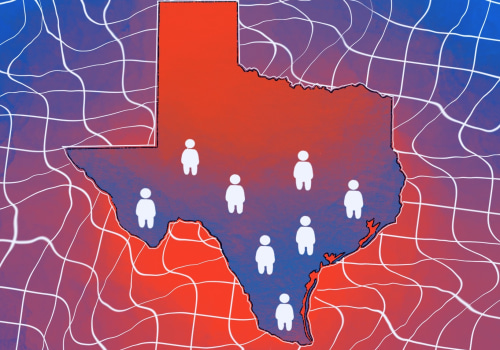
Central Texas has experienced significant population growth over the past several years as families from different parts of the country continue relocating to the region. Cities and suburban communities throughout areas such as Williamson County, Round Rock, Georgetown, Cedar Park, and nearby regions have seen rapid residential expansion driven by employment opportunities, housing development, and lifestyle preferences. While much of the attention surrounding this growth focuses on real estate and infrastructure, another important effect is the way incoming families are reshaping local political conversations. As communities grow and demographics evolve, priorities related to education, transportation, housing, public safety, and long-term development naturally begin influencing political discussions at the local level.
New Residents Bring Different Priorities and Perspectives
Families relocating to Central Texas often arrive with different experiences, expectations, and concerns based on where they previously lived. Some may prioritize school quality and family-oriented amenities, while others focus on transportation systems, property taxes, housing affordability, or economic opportunities. As these residents settle into new neighborhoods, they begin participating in community discussions, school board meetings, local elections, and development planning conversations. Over time, the growing diversity of perspectives influences how communities debate issues related to growth, infrastructure, and public services. Political priorities that once reflected smaller suburban populations may gradually shift as incoming residents bring new ideas and expectations into the conversation.
School Growth Is Driving Political Discussion
One of the biggest areas affected by population growth in Central Texas is education planning. As more families move into the region, school districts often face increased enrollment pressure that requires additional classrooms, new campuses, expanded staffing, and long-term funding decisions. School bond proposals, district zoning discussions, and educational resource planning have become major political topics in rapidly growing communities. Families relocating into these areas frequently pay close attention to school quality and educational opportunities, making education-related policies an increasingly important part of local political conversations.
Infrastructure and Transportation Are Major Concerns
Residential growth has also intensified political discussions surrounding transportation and infrastructure development. Expanding neighborhoods bring additional traffic congestion, road maintenance demands, and pressure on utility systems throughout Central Texas communities. Local governments must balance growth with the need to improve highways, intersections, public services, and drainage systems. Families moving into suburban areas often experience these infrastructure challenges directly through longer commute times and crowded roadways. Companies such as Mountain Movers local moving services are part of the broader relocation activity contributing to the rapid population growth reshaping many Central Texas communities today.
Housing Development Influences Local Policy Debates
As more residents relocate to Central Texas, housing development has become one of the most debated topics within local politics. Communities must decide how to manage residential expansion while preserving quality of life, green space, and long-term sustainability. Discussions involving zoning regulations, housing density, mixed-use developments, and affordability continue shaping political priorities across the region. Longtime residents and newly arrived families may sometimes have differing opinions about how quickly growth should occur and what type of development best supports the community’s future.
Changing Demographics Influence Community Identity
Population growth also affects broader discussions about community identity and local values. New residents often contribute different cultural backgrounds, work experiences, and lifestyle preferences that gradually influence how communities evolve socially and politically. As neighborhoods diversify and expand, political conversations may begin reflecting a wider range of priorities than they did in previous decades. Community planning discussions increasingly involve balancing modernization and economic growth with maintaining the character and traditions that originally attracted many residents to Central Texas in the first place.
Growth Will Continue Shaping Local Conversations
The ongoing movement of families into Central Texas will likely continue influencing political discussions for many years. Population growth affects nearly every aspect of local governance, including education, infrastructure, housing, public services, and economic development. As communities adapt to changing demographics and expanding neighborhoods, local political conversations will continue evolving alongside the region itself. Understanding the relationship between relocation trends and community priorities helps explain why residential growth has become such a major force shaping the future of Central Texas communities today.